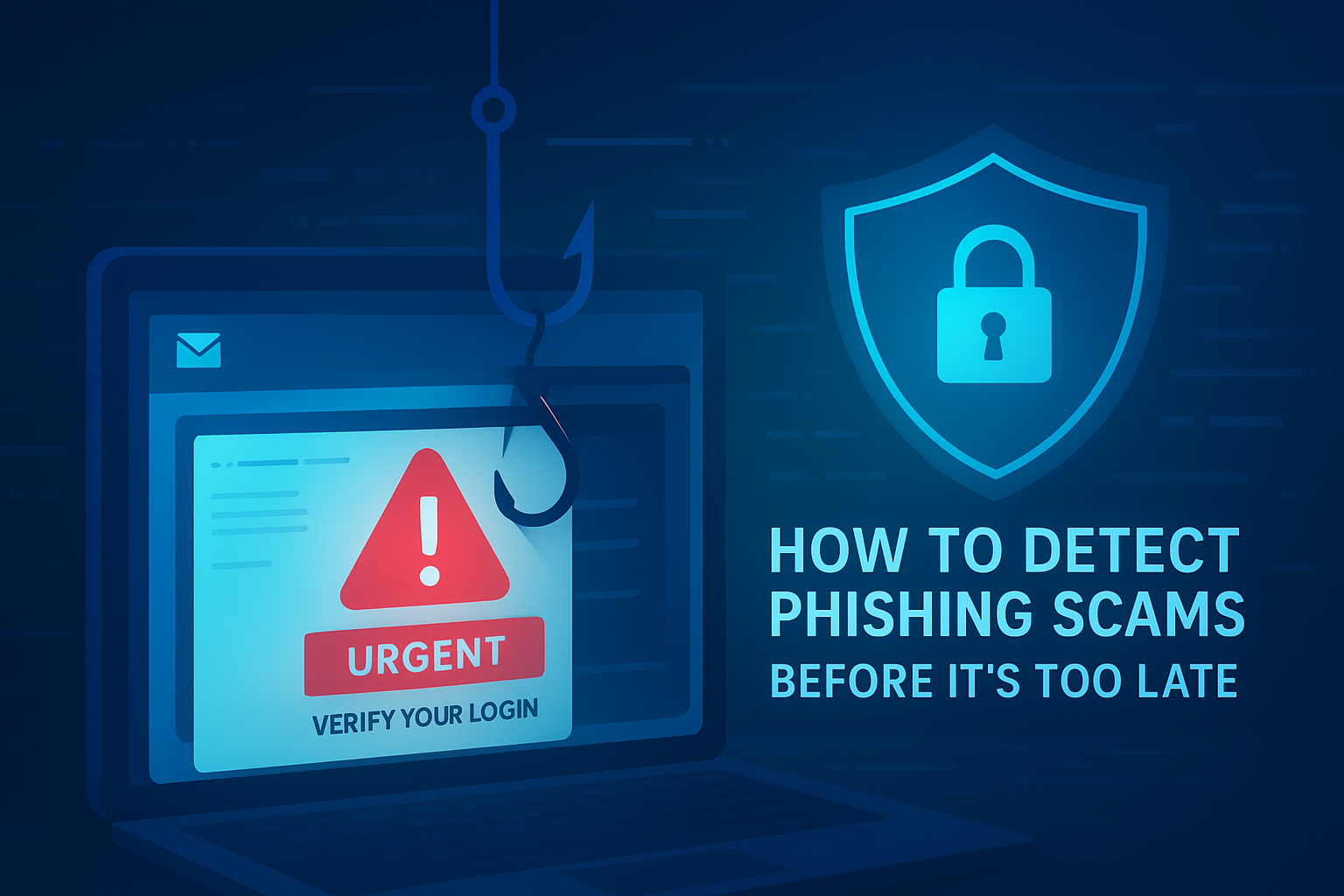
When people think of hackers, they imagine complex codes and technical break-ins. But in reality, many of today’s most dangerous social engineering attacks don’t target machines, they target people. This tactic, known as social engineering, manipulates trust, fear, and urgency to trick individuals into handing over sensitive information or access. To show just how convincing these attacks can be, let’s walk through three real-world scenarios.
📞 Scenario 1: The Fake Bank Call- Classic Social Engineering Attack
Sarah was cooking dinner when her phone lit up with a call labeled “Bank Security.” The man on the line sounded calm and professional.
“Ma’am, we’ve detected unusual activity on your account. To secure your funds, we need to verify your debit card number right now.”
Her heart raced. She didn’t want to lose her savings. Without thinking, she shared her card details. Hours later, she discovered thousands drained from her account.
Red Flags Sarah Missed:
- Caller ID can be spoofed. Logos and names on your phone don’t guarantee legitimacy.
- Banks never ask for full debit or credit card details over the phone.
- The pressure to act immediately is a classic scam tactic.
How to Stay Safe: If you get a suspicious call, hang up and dial your bank’s official number directly. Never give out financial details over unsolicited calls.
💬 Scenario 2: The Social Media DM
Marcus was scrolling Instagram when he received a direct message from his best friend:
“Hey, is this you in this video? 😳 [link]”
Curiosity got the better of him. He clicked, only to be redirected to a login page that looked exactly like Instagram’s. Without hesitation, he entered his username and password. Minutes later, his account was hijacked, and the same message was being sent to all of his followers.
Red Flags Marcus Missed:
- Odd wording and out-of-character messages from a friend.
- Links that lead to login pages should always raise suspicion.
- The URL was slightly off, but urgency and curiosity blurred his judgment.
How to Stay Safe: Don’t log in through links sent in DMs. If a friend sends something unusual, verify by messaging or calling them directly.
📧 Scenario 3: The CEO Email Scam
Emma’s Monday started like any other. Coffee in hand, she opened her laptop and scanned her inbox. Buried among routine updates was a subject line that made her pause:
“Urgent: Payroll Account Verification Required.”
The email looked official. It carried her company’s logo, a familiar tone, and a deadline; “Submit verification within the hour to avoid payment delays.”
Emma’s stomach tightened. Missing payroll could cause chaos for her team, and she didn’t want to be responsible for that. Without overthinking, she clicked the link. The link led to what looked like her company’s HR portal. Same colors. Same layout. Only one difference: the URL was slightly off, a tiny typo she didn’t notice in her rush.
She entered her username and password. The page refreshed, then froze. A sinking feeling crept in. Seconds later, her real HR portal locked her out. The attackers now had her credentials as well as access to the company’s private data. The entire attack unfolded in minutes, with no technical hacking required. Looking back, the warning signs were there:
- The rushed deadline. Real HR departments rarely give only one hour to act.
- An odd URL. For example; “hr-verifcation.com” instead of the real domain.
- The unusual request. Password re-entry for payroll isn’t standard procedure.
- But stress and urgency overrode caution; exactly what the attackers wanted.
What To Do If This Happens to You
If you ever find yourself in Emma’s shoes, here’s how to limit the damage:
- Stop using the compromised account immediately.
- Change your password from a secure device.
- Enable multi-factor authentication (MFA). This makes stolen credentials useless.
- Scan your computer for malware if you clicked suspicious links.
- Report the incident to your IT team or platform support.
How to Stay Safe: Always verify large financial requests with a direct phone call or in-person confirmation. Encourage a company-wide “trust but verify” culture.
Why Cybersecurity Awareness Matters
Whether it’s a fake bank call, a social media DM, or a forged CEO email, the pattern is the same: hackers exploit human psychology more than technology. By slowing down, verifying through official channels, and staying alert to red flags, you can stop social engineering attacks before they succeed. And if you’ve already fallen victim? Don’t panic. Change your passwords, enable multi-factor authentication, and contact Prime-Trace; we specialize in helping individuals and businesses recover compromised accounts and show them ways to lock them down against future threats.
The key Takeaway from this is that Social engineering doesn’t require advanced hacking tools. It only requires one moment of misplaced trust. By recognizing these real-world scenarios, you can protect yourself and your business from becoming the next victim.